1-866-848-3641
 sales@weldflowmetal.com

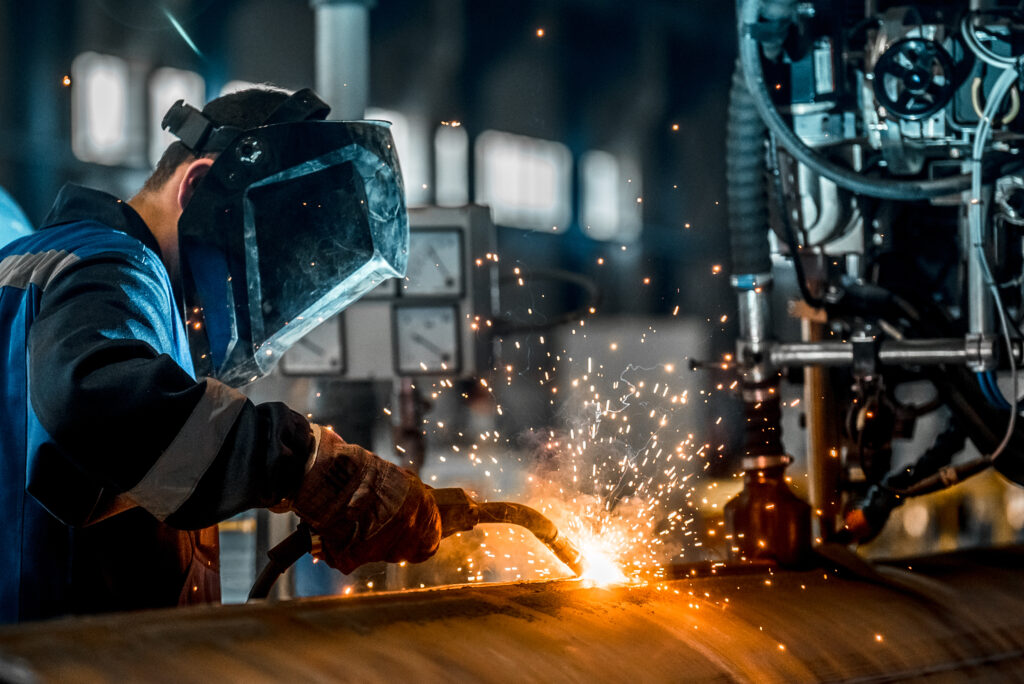
When a custom part comes down to two metals, the stainless steel vs aluminum decision shapes weight, corrosion resistance, and cost. Both are workhorses of custom sheet metal fabrication, and both can be cut, formed, and welded to precise specifications. This guide compares the two so you can decide with confidence.
Why Material Choice Affects Your Finished Component
Material is the first decision in any project, and it shapes every step that follows. Thickness, corrosion resistance, weight, and finish all affect how a part performs. The right metal is chosen based on the environment and intended use, which is why the stainless steel vs aluminum question is worth settling before fabrication begins.
Stainless Steel and Its Core Strengths
Stainless steel is known for high strength, corrosion resistance, and a clean finish. That makes it a reliable choice for long-lasting parts, including enclosures used indoors and outdoors. It also pairs well with copper bus bars in electrical assemblies. WeldFlow Metal Products fabricates it from cutting through welding, with TIG welding often used for stainless steel.
Aluminum and Its Core Strengths
Aluminum is lightweight and corrosion-resistant while keeping good formability. It is easy to weld, bend, and blank, which makes it ideal for precision-driven applications. Surface treatments such as anodizing and powder coating add durability and improve appearance. It is stocked in various grades and thicknesses, with dedicated spot welders on hand for aluminum.
Comparing Weight and Structural Support
Weight is often the clearest dividing line in the stainless steel vs aluminum decision. Aluminum is lightweight, so it is preferred where portability matters. Stainless steel is known for high strength and suits parts built to last. If portability is the priority, aluminum leads. If the part must hold up over a long service life, stainless steel is the stronger candidate.
Weighing Corrosion Resistance for Different Environments
Both metals are corrosion-resistant, so the environment is the deciding factor. Stainless steel’s corrosion resistance and clean finish suit enclosures used indoors and outdoors. Aluminum is also corrosion-resistant and works well for lighter, precision-driven parts. Matching the metal to the conditions the part will face is the surest way to get this right.
Assessing Formability Welding and Finishing
Both metals respond well to fabrication. Aluminum is easy to weld, bend, and blank, while stainless steel can call for different techniques. WeldFlow Metal Products performs MIG, TIG, and spot welding depending on the material and part, so whether a job leans toward stainless steel fabrication or aluminum sheet metal fabrication, each is cut, formed, welded, and finished to specification. Finishes such as powder coating and anodizing are available to customer requirements.
Balancing Cost Against Long Term Value
Cost matters, but so does long-term value. Aluminum’s lightweight nature suits weight-sensitive parts. Stainless steel’s strength and corrosion resistance make it reliable for parts that must last. Because every project is quoted to its own specifications, the right metal can be matched to both the budget and the job.
Matching Each Metal to Enclosures and Fixtures
The way each metal is used in real parts makes the choice concrete. Stainless steel and aluminum both feed into finished products such as electronic metal enclosures, electrical panels, wall mounts, appliance covers, and light fixtures.
| Decision factor | Lean toward stainless steel | Lean toward aluminum |
|---|---|---|
| Main priority | Strength and long-term durability | Low weight and portability |
| Typical environment | Indoor or outdoor use needing a clean, corrosion-resistant finish | Lighter parts where corrosion resistance still matters |
| Common fit | Enclosures and panels built to last | Portable enclosures and lightweight components |
Selecting the Right Material With WeldFlow Metal Products
No single metal wins every time. The right one depends on weight, environment, durability, and how the part will be used. Whether the answer is stainless or aluminum, the process stays the same: understand the part, match the material, and build to specification.
Once the metal is chosen, the part moves through cutting, forming, welding, and finishing before it is ready for use. Material selection is where that journey begins. To follow the process from drawing to delivered part, read our complete guide on how precision sheet metal fabrication delivers finished steel parts.
With more than 40 years of experience, Weldflow has supplied steel and stainless steel fabrication to OEMs and manufacturers in Ontario.
Not sure which metal fits your part? Contact WeldFlow Metal Products to discuss your project and request a quote.